History and design of the London Eye
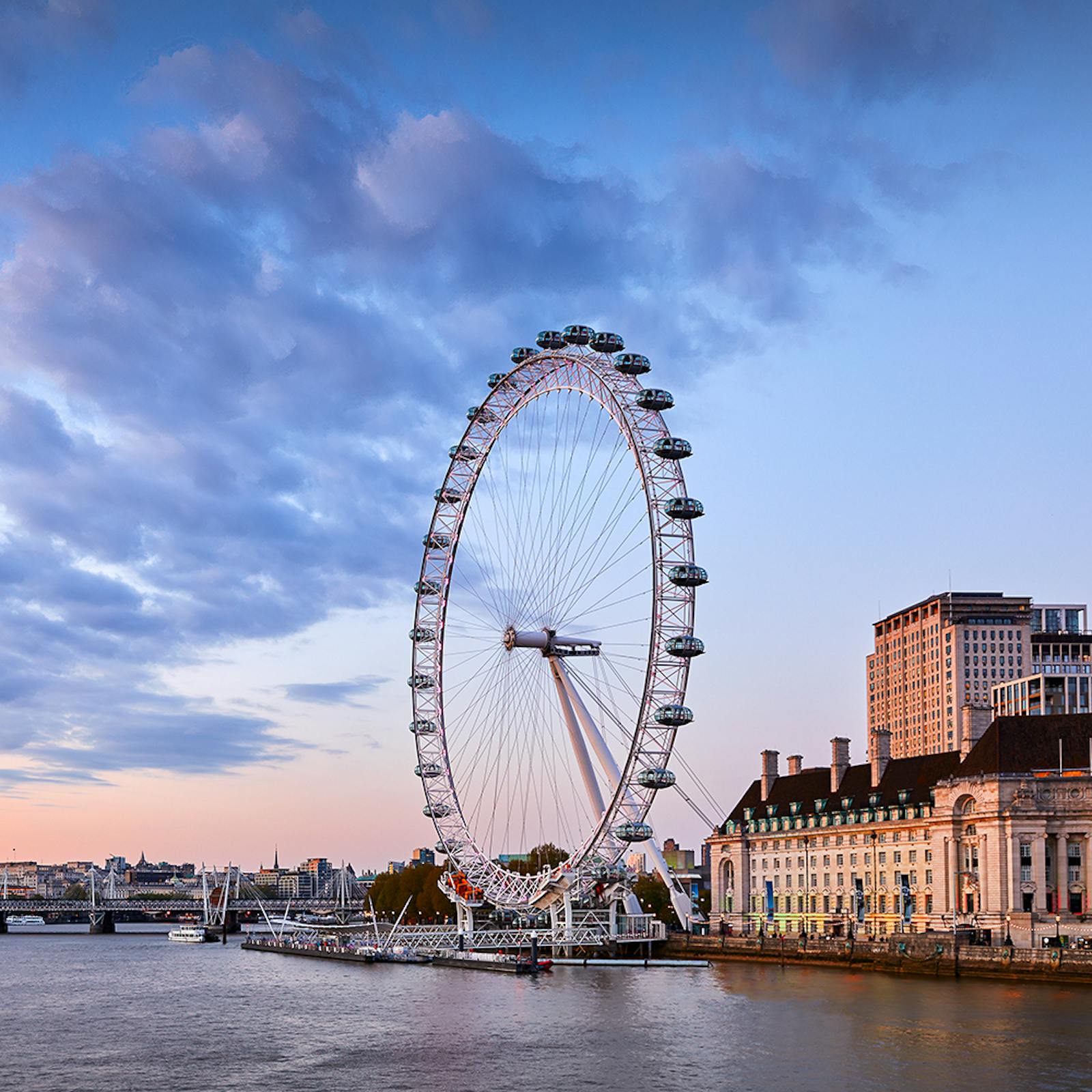
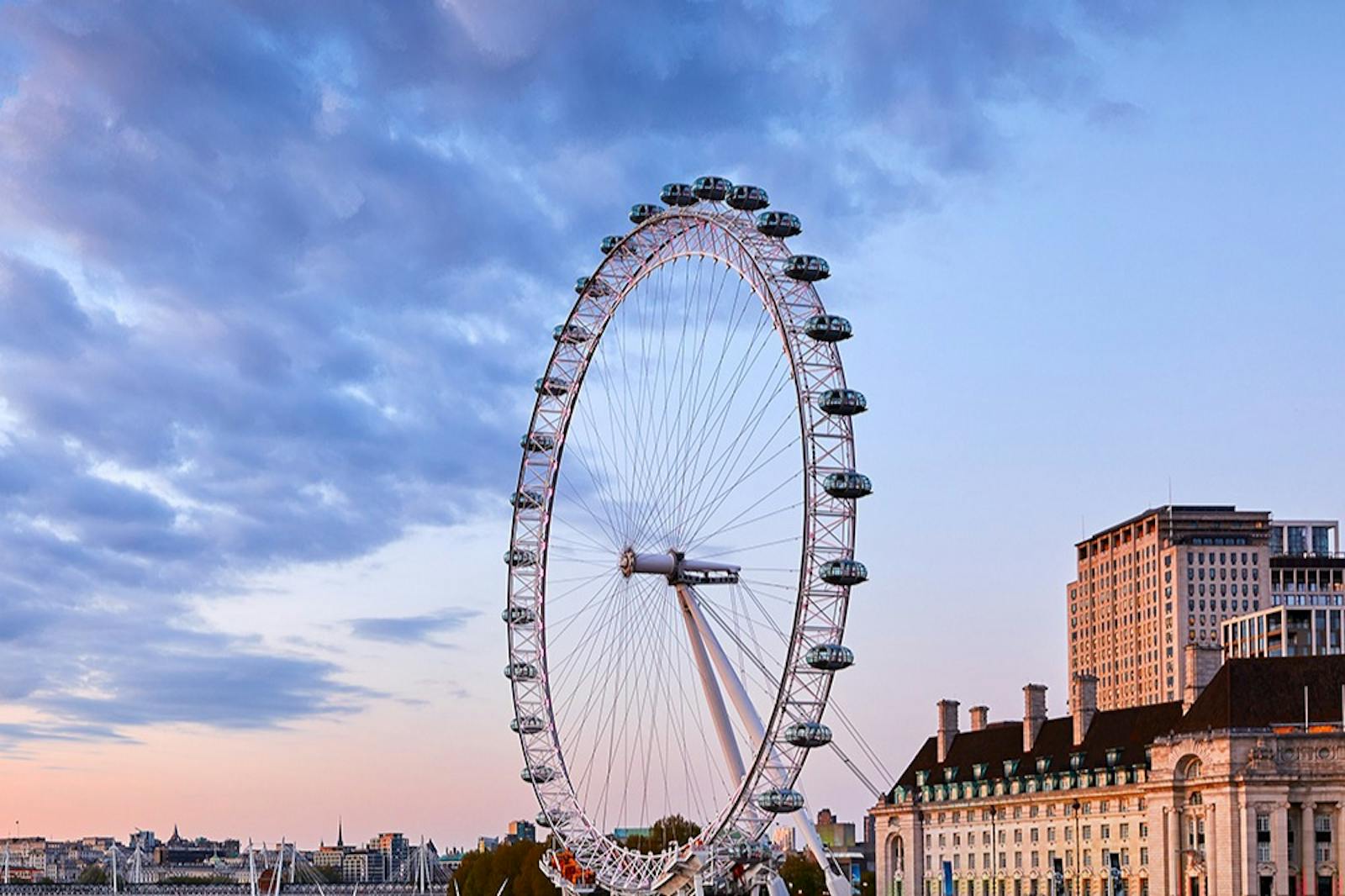
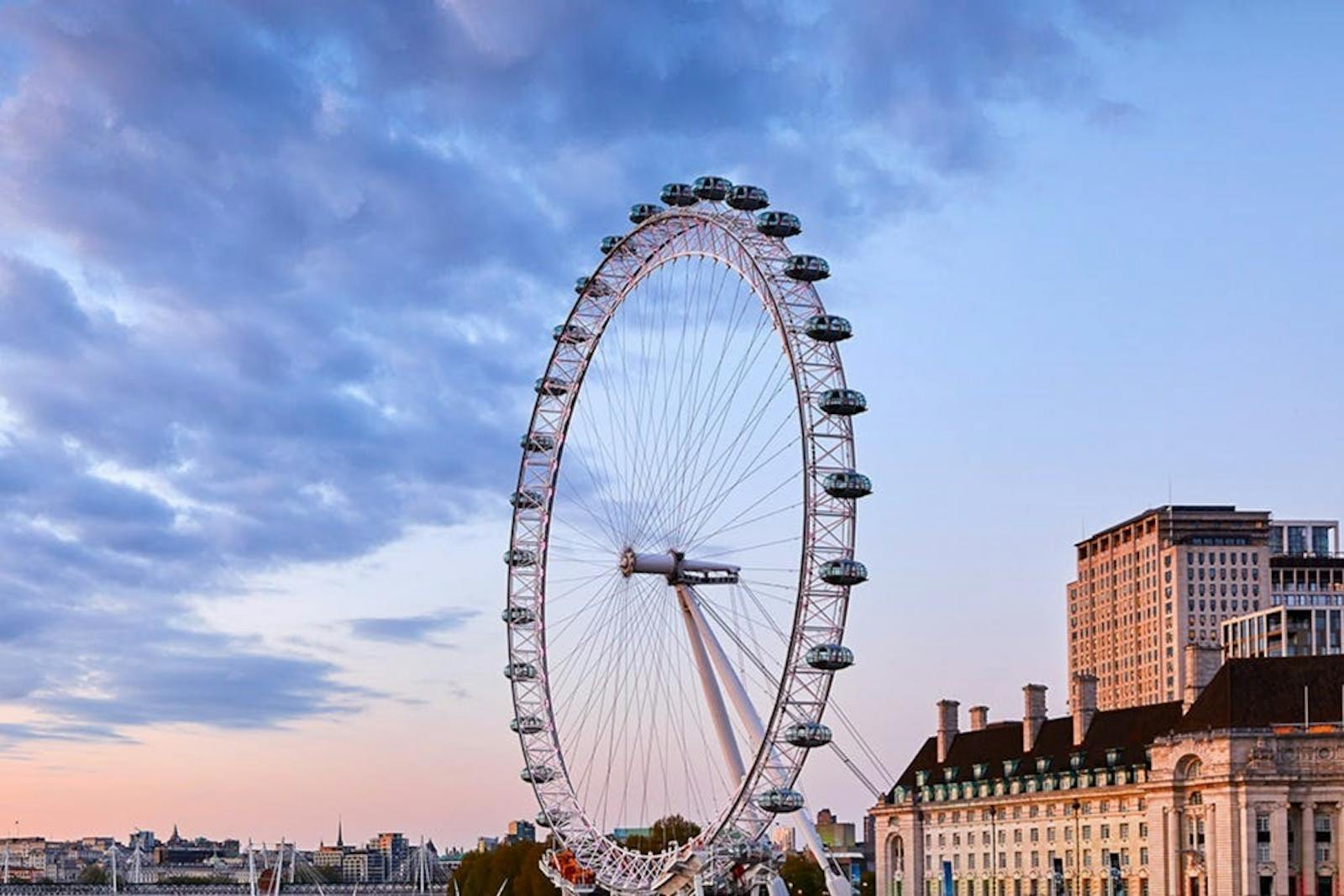
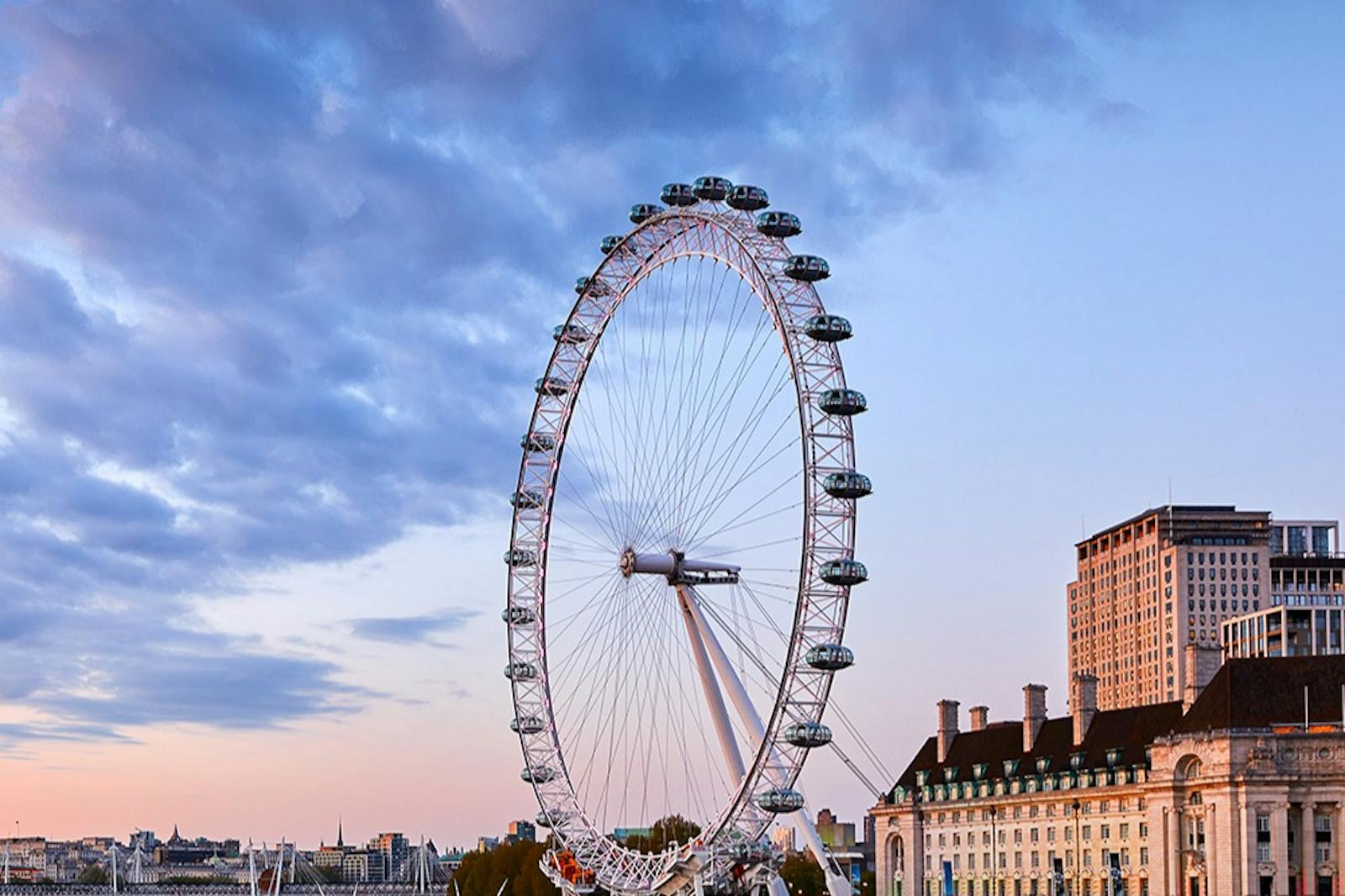
Initially planned as a temporary structure for the 2000 millennium celebrations, the London Eye quickly won over Londoners. Architects David Marks and Julia Barfield won a Thea Award for their innovative design. The wheel was first assembled flat on the Thames before being lifted vertically, a complex process that took several days and initially failed with cable breakage during the first attempt.
Success was immediate: 8.5 million visitors had already passed through the gates by July 2002, convincing the Lambeth Council to make the attraction permanent. Owned by Merlin Entertainments since 2007, it has changed names several times according to its sponsors (British Airways, EDF, Coca-Cola), which sometimes causes confusion on websites before reverting to its original name in 2020.
Since January 1st, 2005, the London Eye has been the heart of New Year's celebrations in London. It serves as the backdrop for the official 10-minute countdown and the fireworks that illuminate the capital. This annual event reinforces its symbolic status, transforming the Ferris wheel into a privileged witness to the city's contemporary history and attracting millions of spectators every year.
What to see from the capsules?
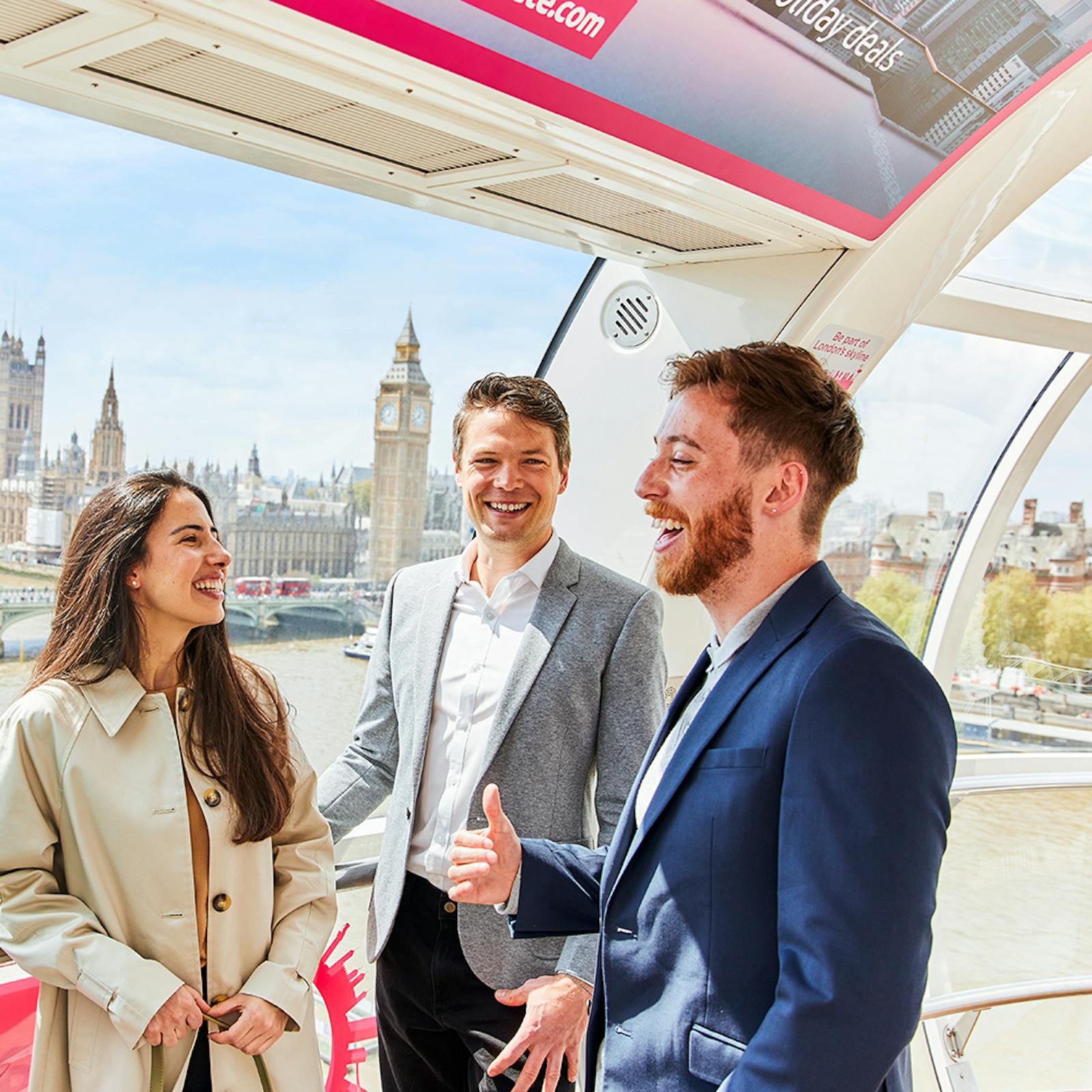
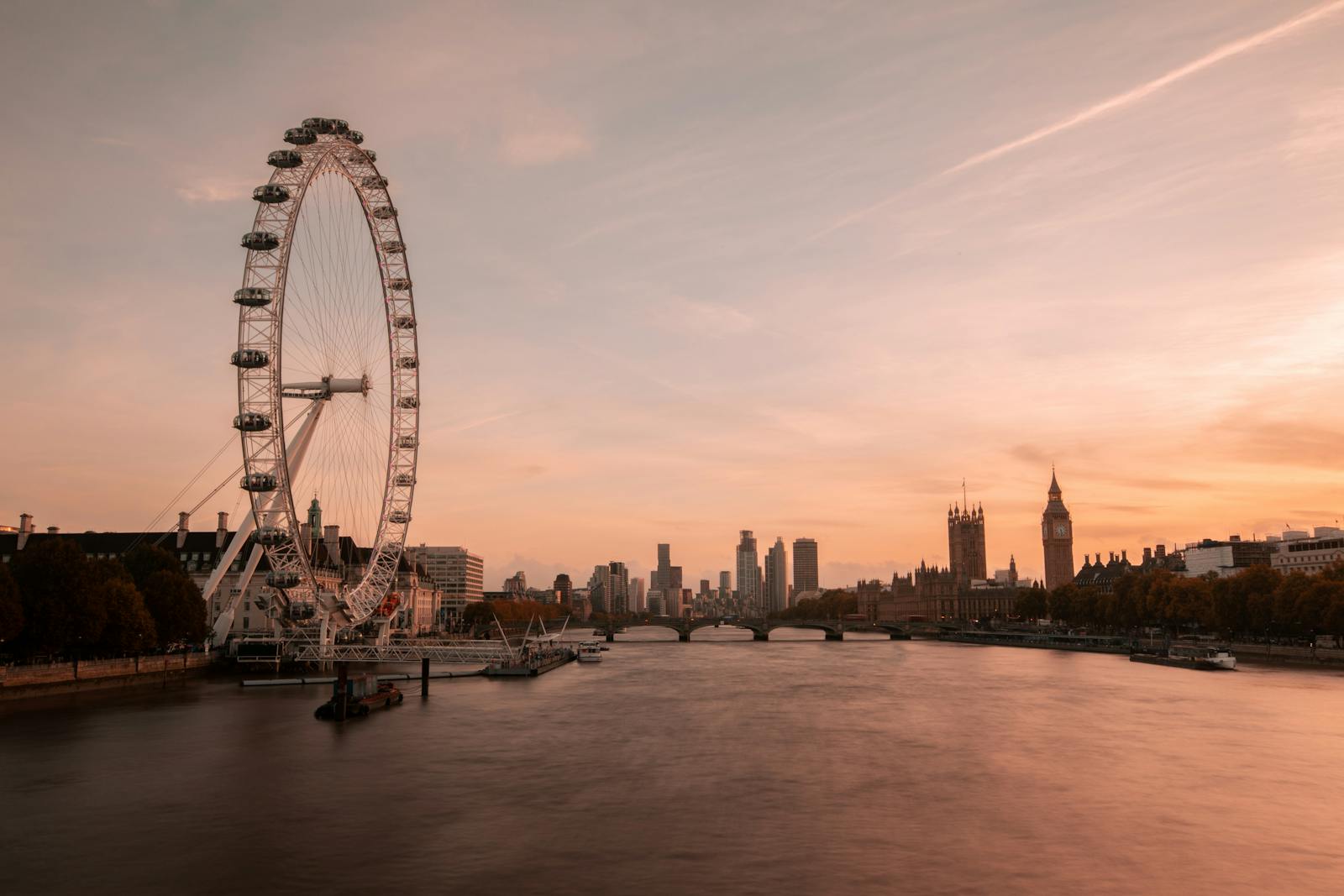
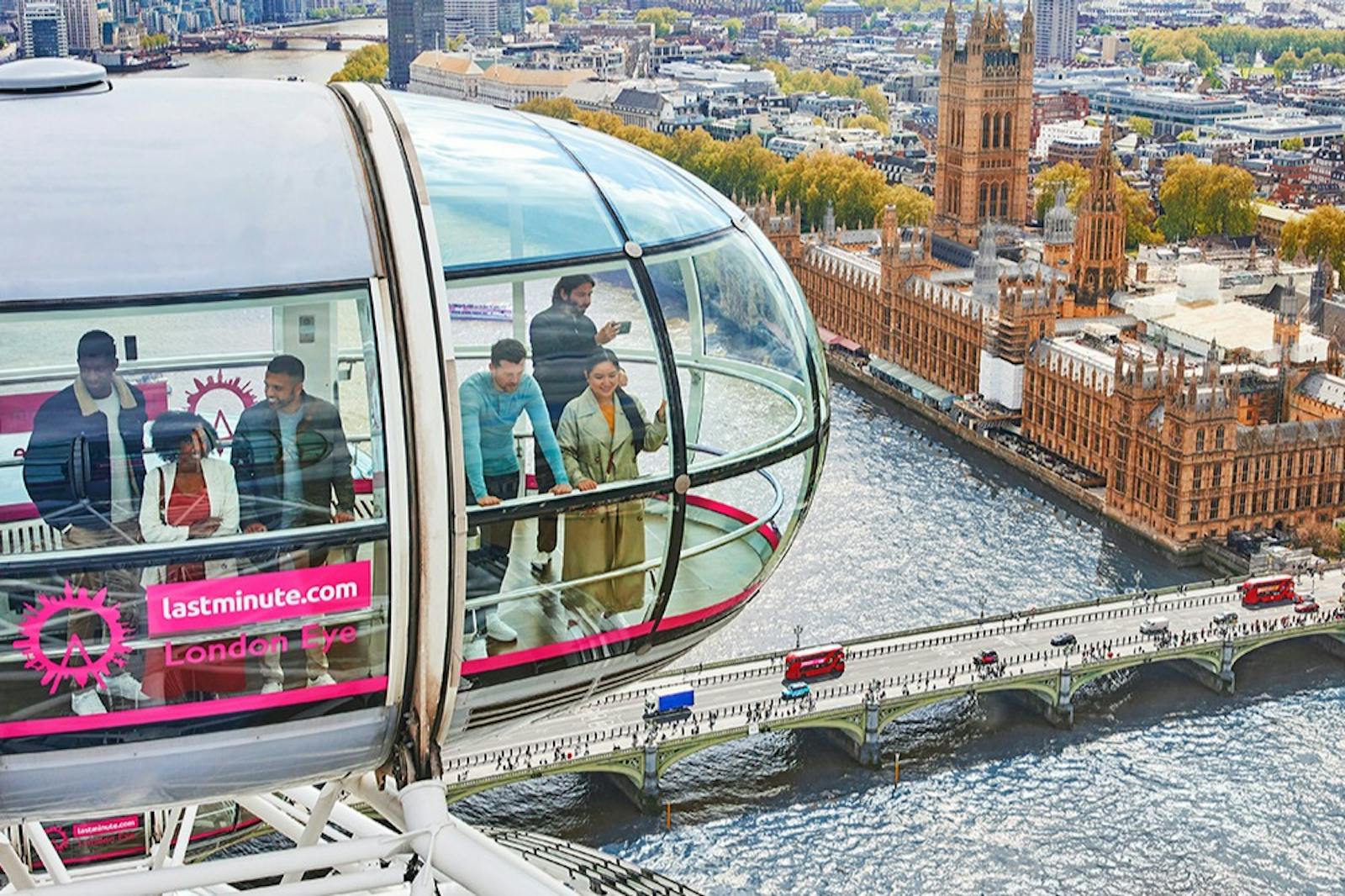
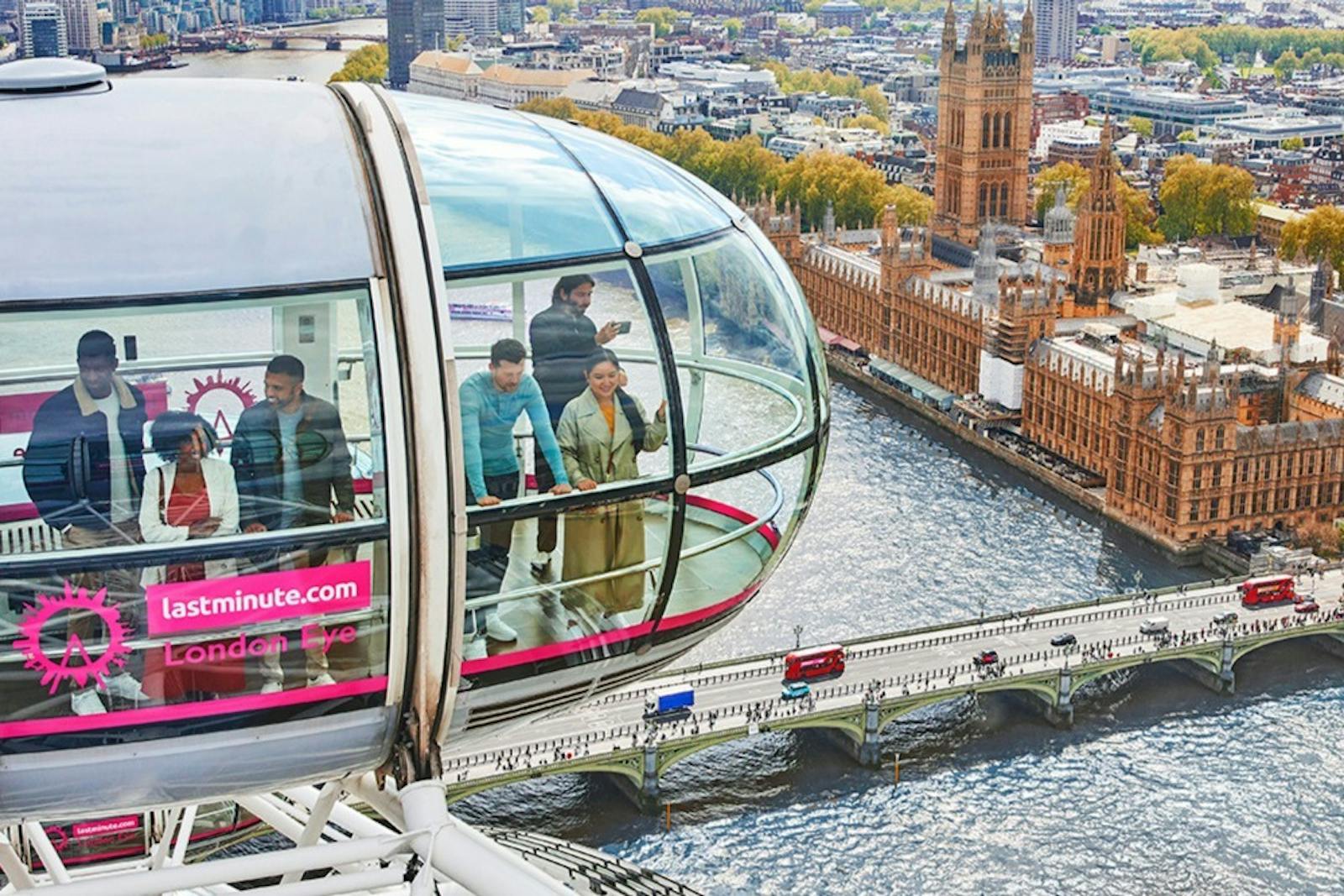
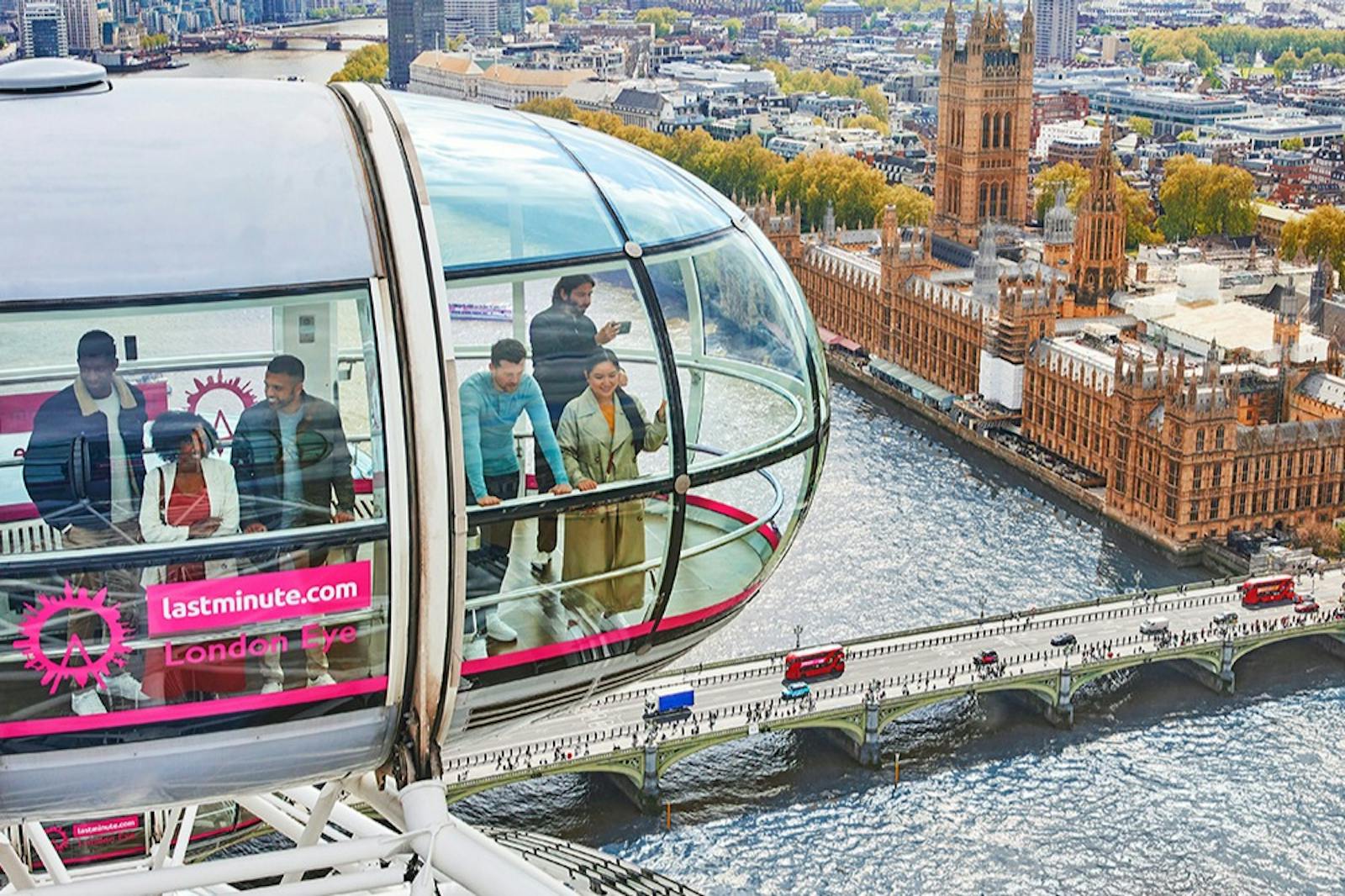
At an altitude of 135 meters, the view from the London Eye extends to the surrounding countryside on clear days. You can clearly distinguish Big Ben, the Palace of Westminster, and Westminster Abbey just across the river. The Thames winds beneath your feet, visually connecting the major monuments of the north and south banks. This unique perspective offers a complete spatial understanding of the British capital.
To the south, the gaze falls on St Paul's Cathedral and, further away, on the Tower of London and Tower Bridge. To the west, Buckingham Palace and St James's Park are perfectly visible. This unique perspective allows you to understand London's geography and the layout of its historic districts in a single 30-minute rotation.
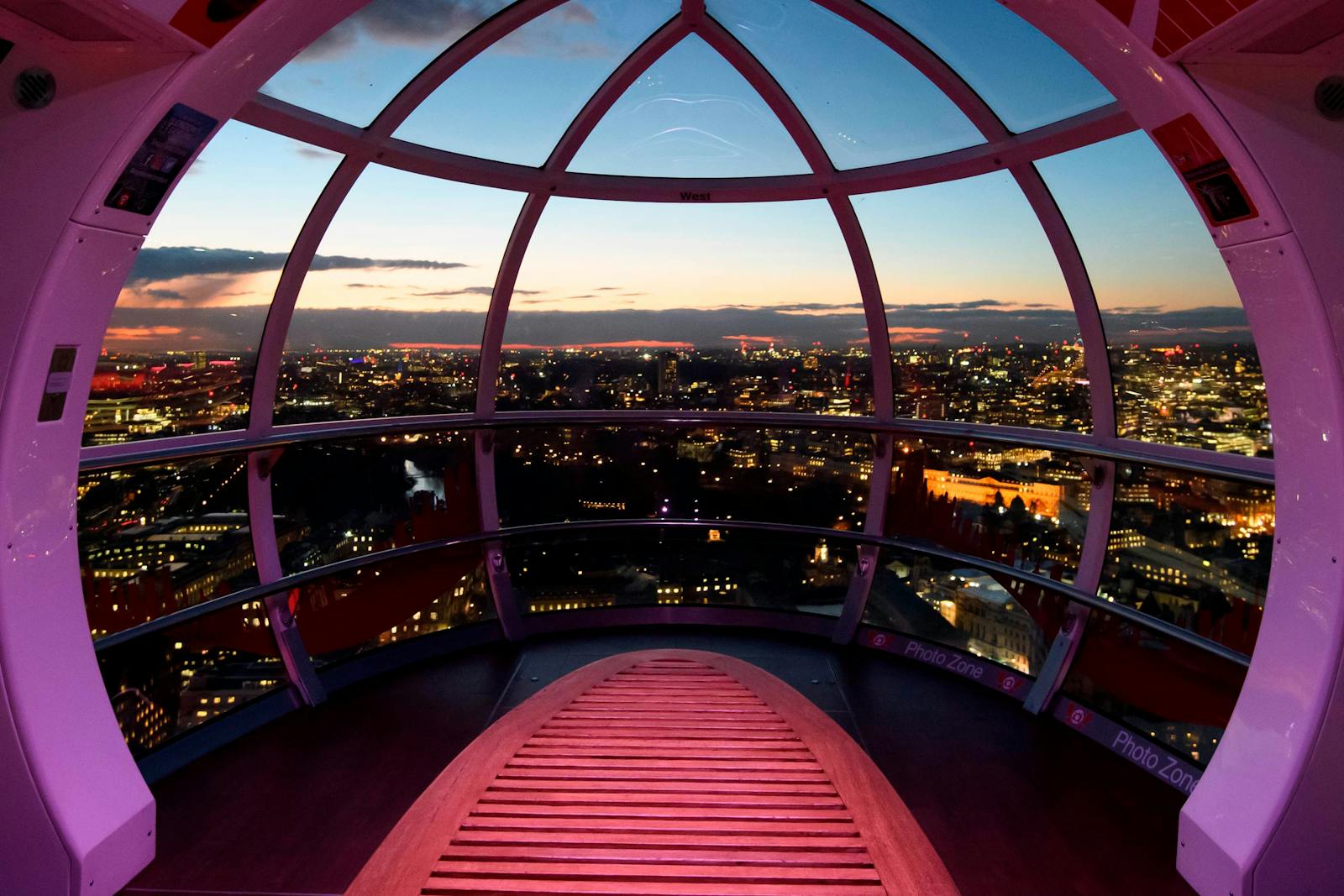
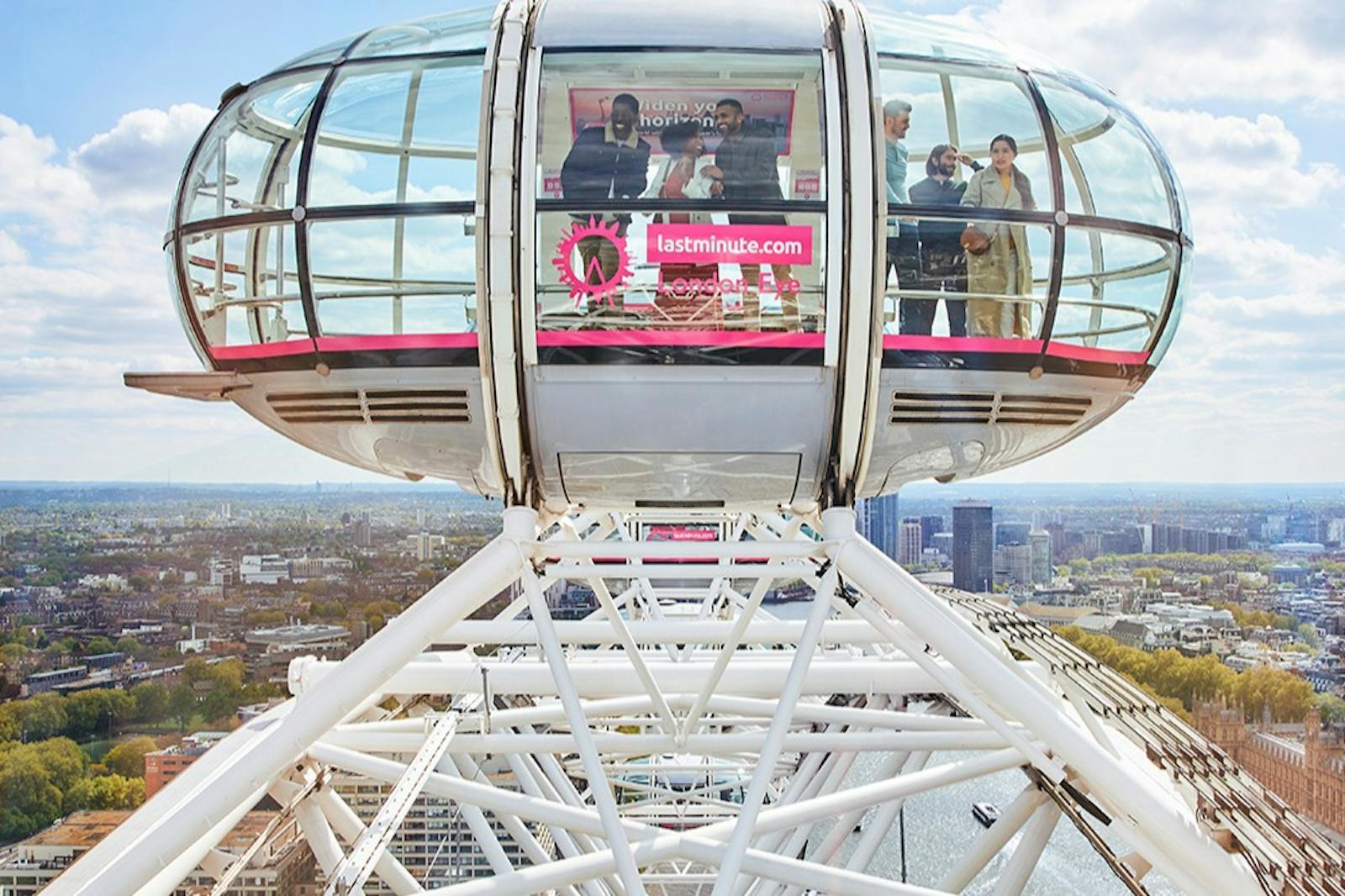
The visual experience is optimal at sunset, when golden light bathes the buildings and the city lights gradually turn on. The capsule windows are transparent, allowing for panoramic photos, although reflections sometimes need to be managed. The doors remain closed for safety reasons, but the visual immersion is total from a height of 135 meters, with a continuous rotation of 24 minutes. Each capsule represents a London borough, offering an unobstructed view of the Palace of Westminster.
VIP experiences and practicalities
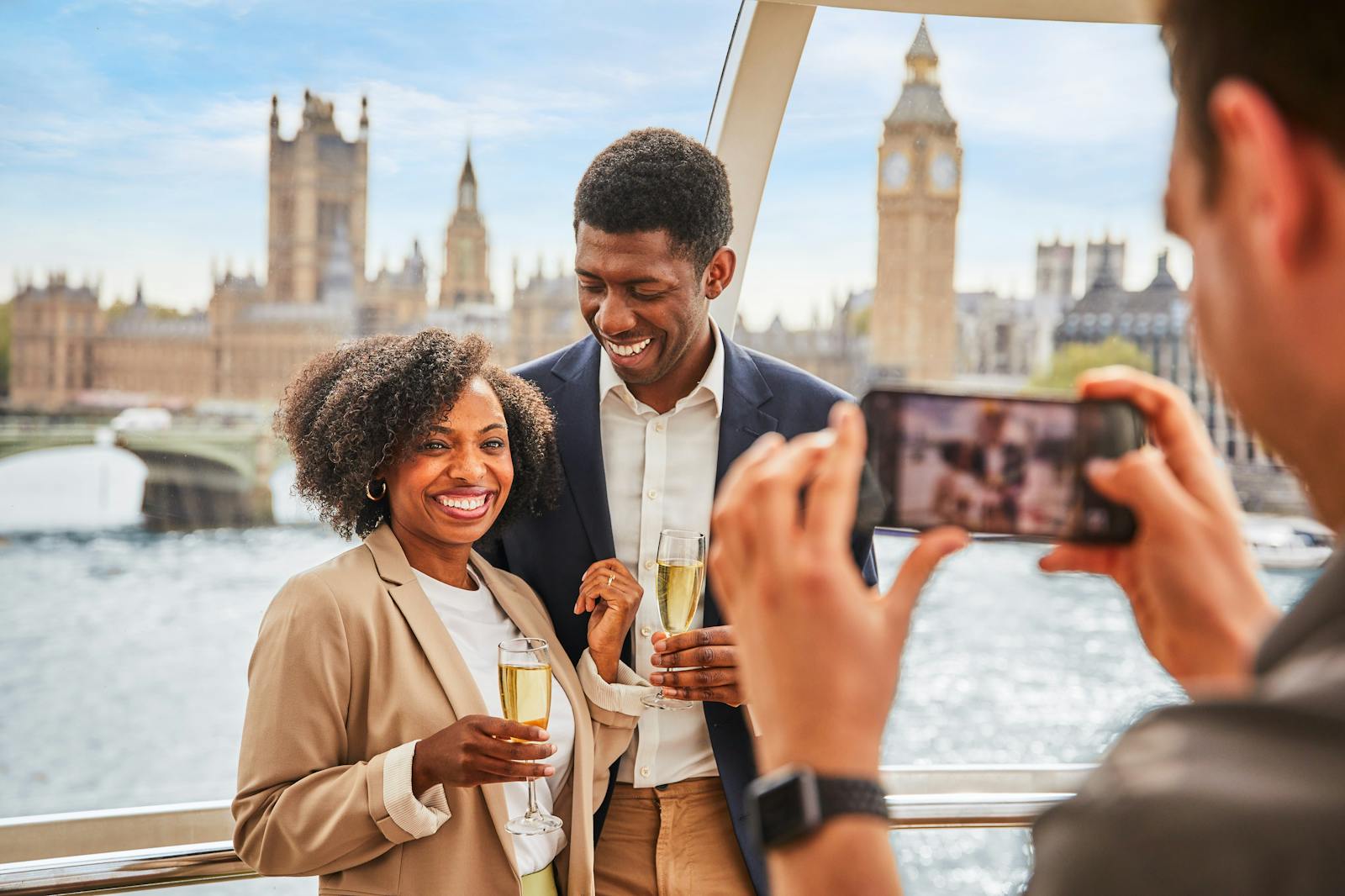
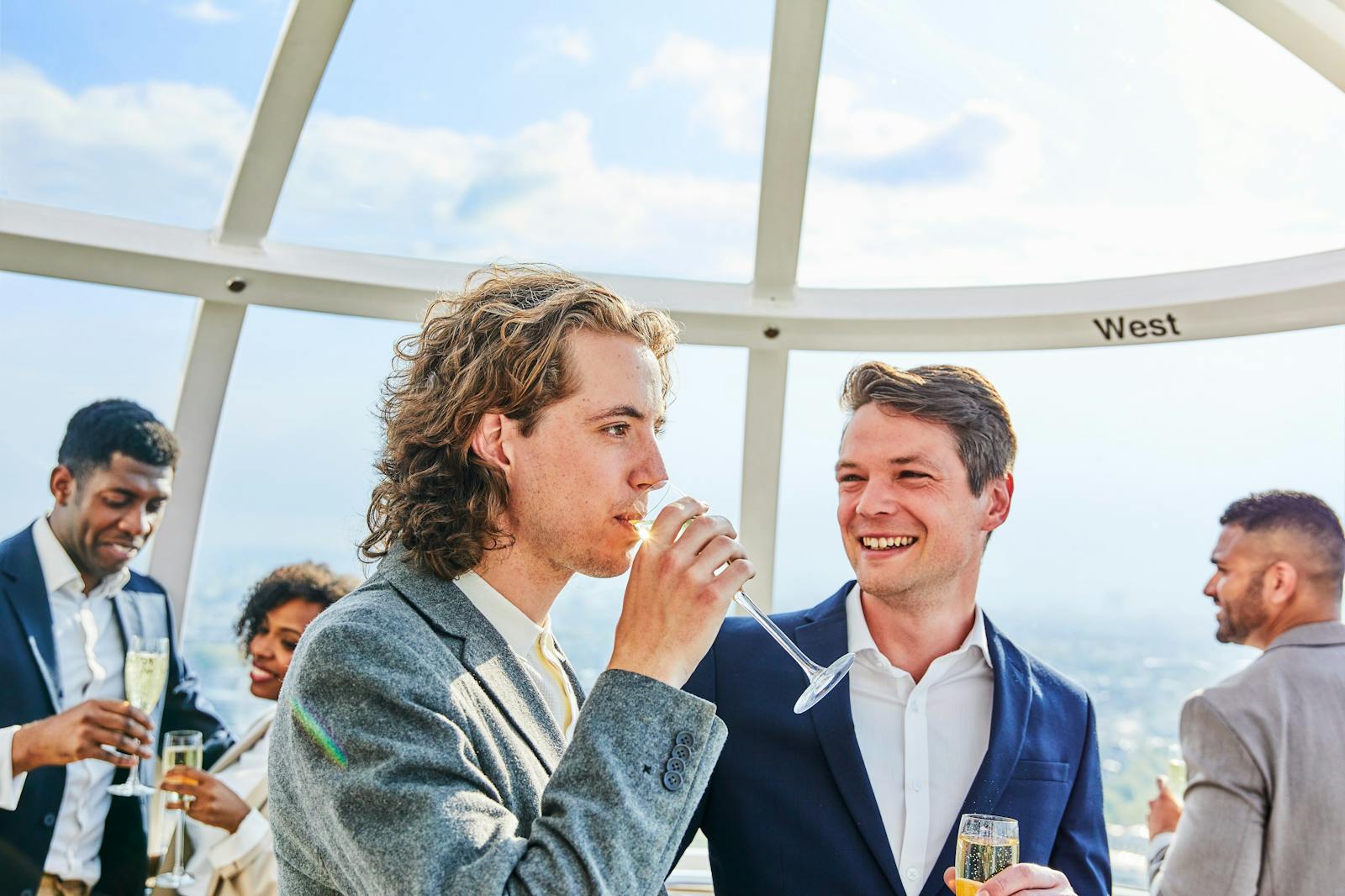
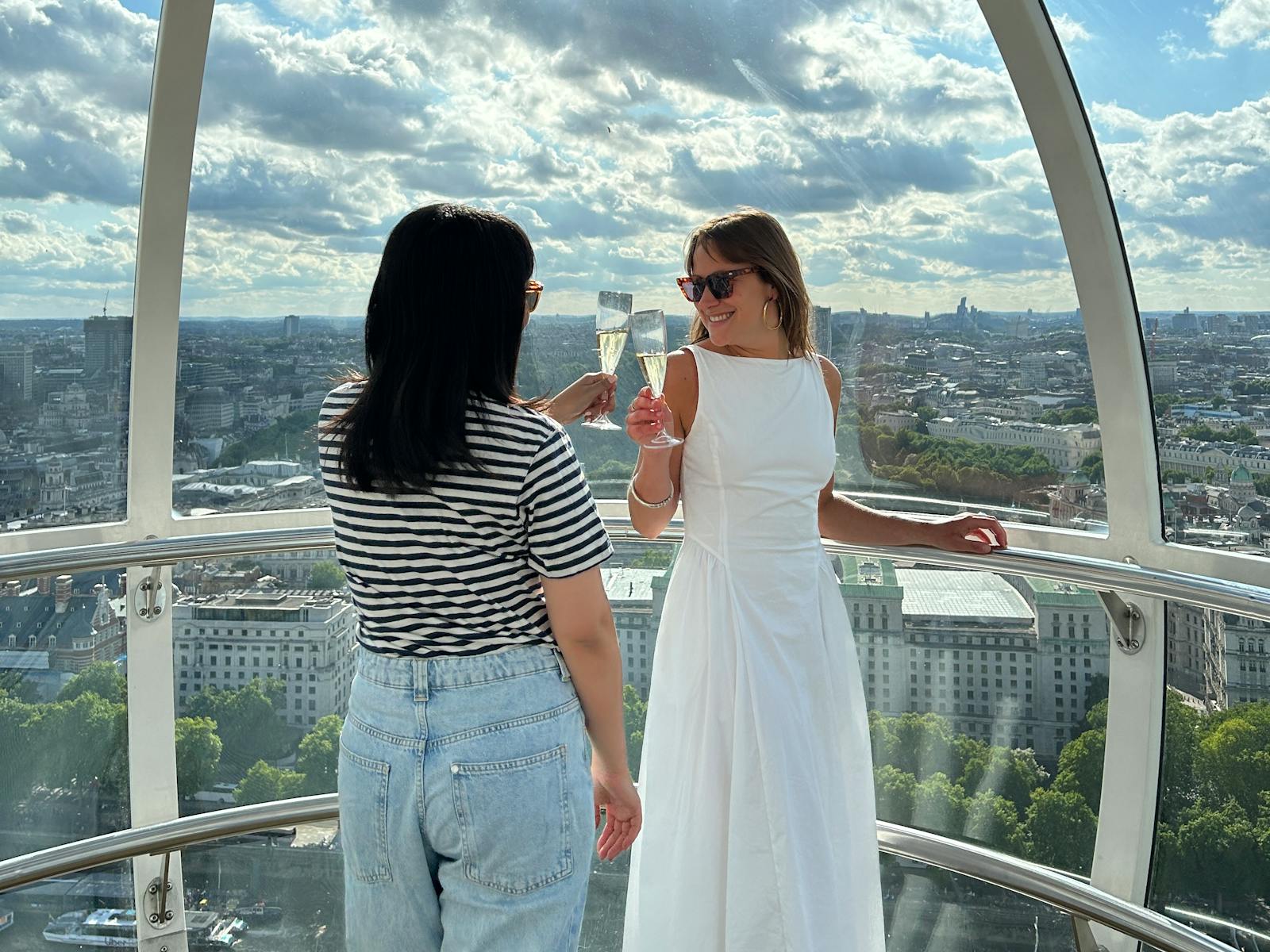
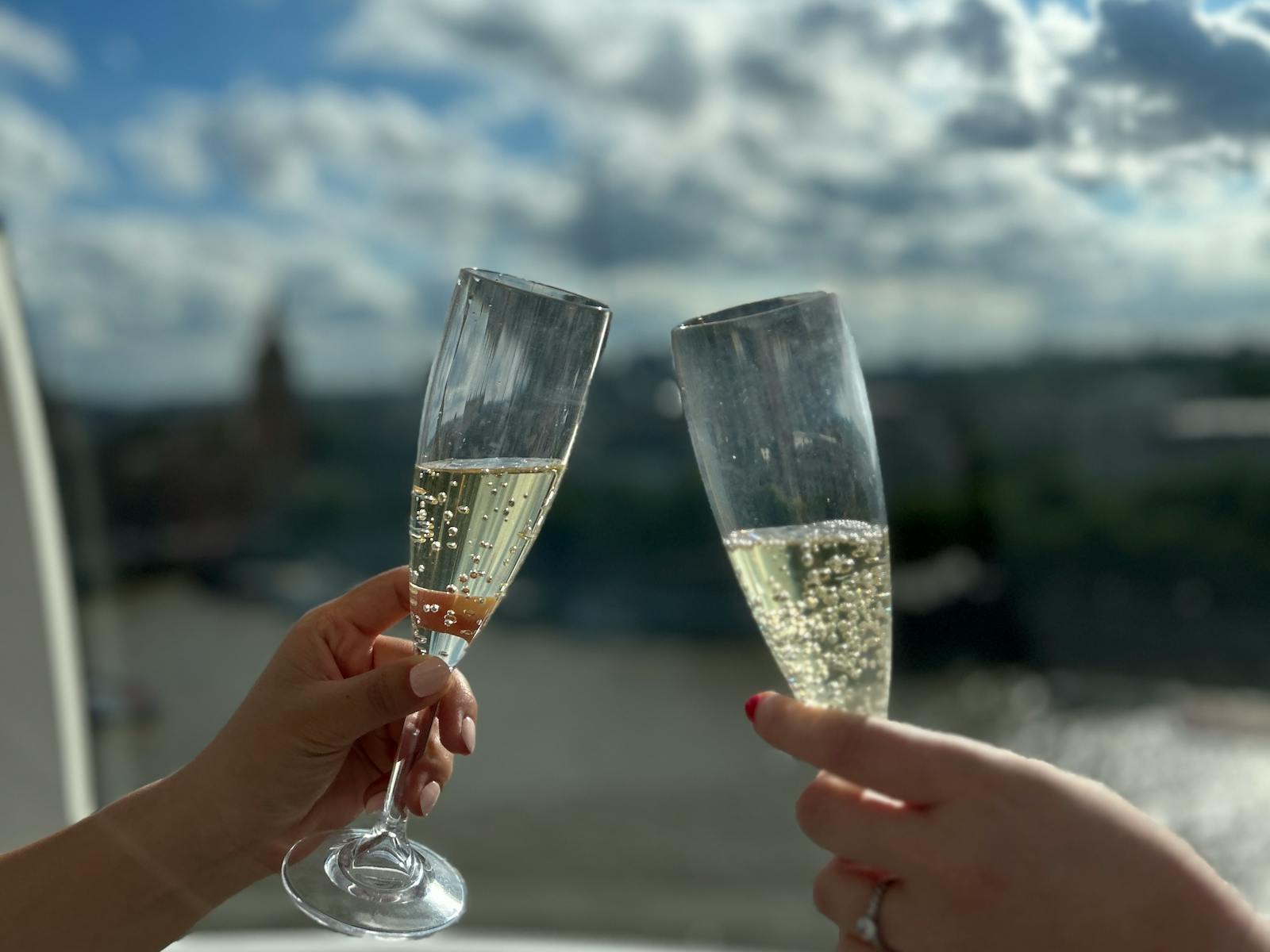
Beyond the standard ticket, the London Eye offers premium experiences such as Afternoon Tea or Champagne. These distinct packages allow you to savor British specialties and exceptional drinks while admiring the landscape. Afternoon Tea, in particular, is a highly sought-after experience that requires booking several weeks in advance due to limited seats on board the capsules. These exclusive packages transform the ride into an unforgettable moment of luxury.
For hurried visitors, the London Eye Fast Track option allows you to skip the main queue. Although this does not exempt you from security checks, it significantly reduces waiting time before boarding. It is crucial to respect the time slot indicated on the ticket, as access is only permitted at the reserved time, with minimal tolerance.
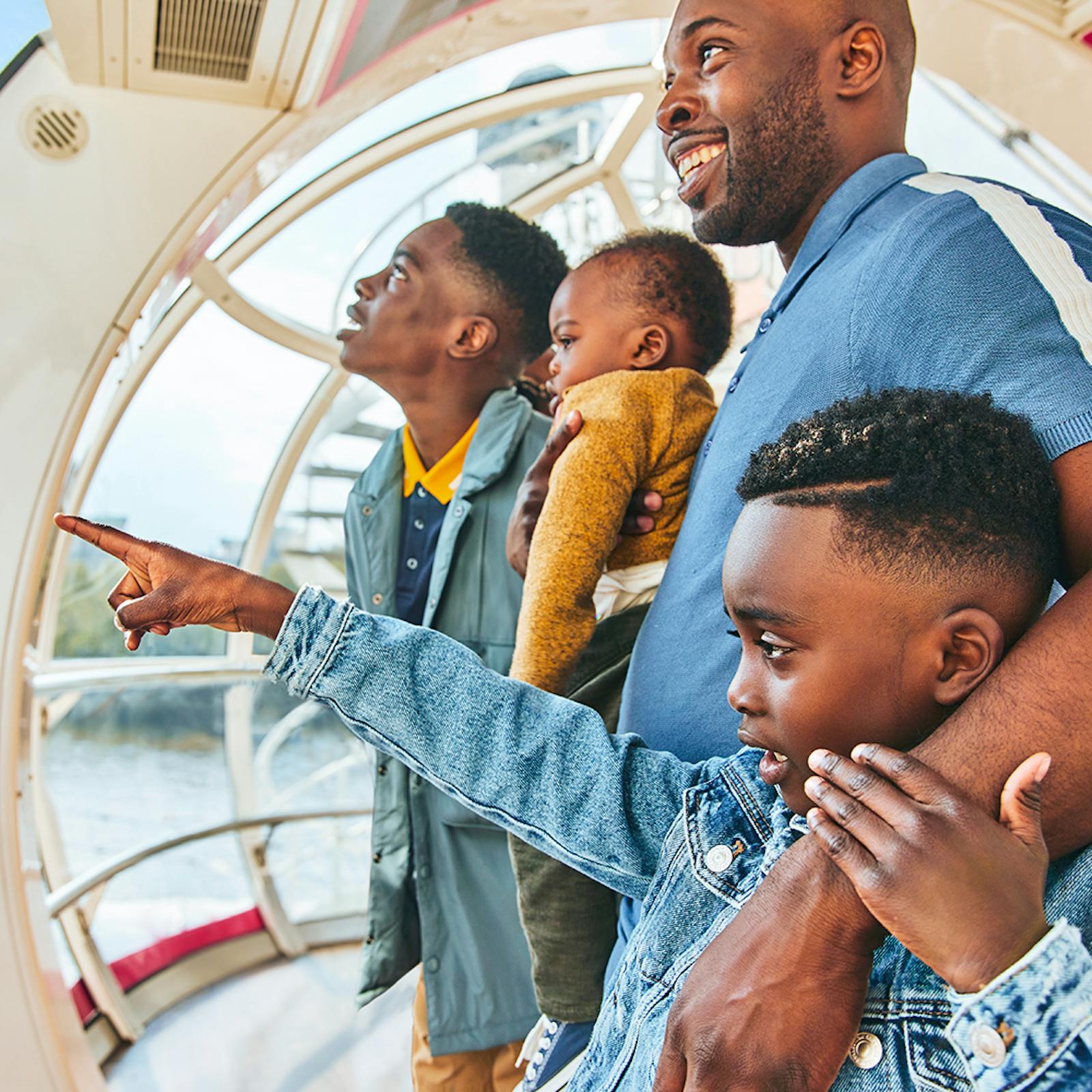
The attraction is fully accessible to people with reduced mobility, with capsules designed to accommodate wheelchairs. It is recommended to book a specific ticket or present yourself at reception to facilitate boarding. Children under 2 years old are free but require a named ticket, while rates for ages 4-15 are reduced.